 North Ridgeville Review The Community That Cares

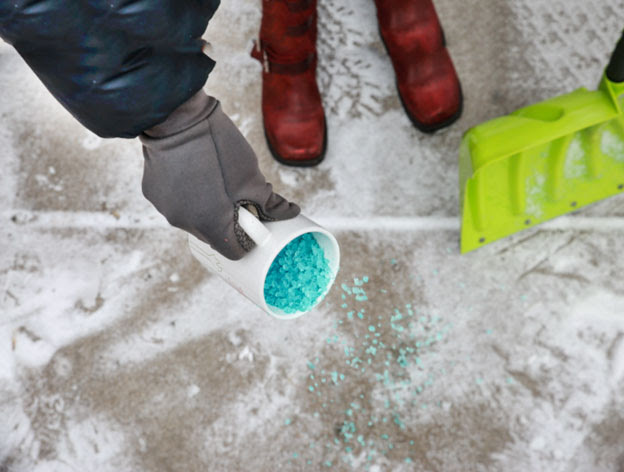 Winter salting keeps sidewalks and driveways safer, but using more salt than needed has real environmental and financial impacts. Sensible salting practices are essential for managing stormwater and protecting water resources. Chloride from salt does not break down, and even small amounts can pollute groundwater, harm streams, damage vegetation and contribute to long-term infrastructure costs. Simple changes in the amount and ways we salt can make a big difference.
- Shovel first: Clearing snow during a storm reduces how much salt is needed afterward.
- Use the correct amount: More salt does not melt ice faster. Follow product instructions to avoid over-applying.
- Target the areas you need: Focus on essential walkways rather than salting every surface.
- Watch the temperature: Most salt does not work below 15°F. In those conditions, sand provides traction but should be swept up afterward.
- Sweep up leftovers: If the ice has melted but salt remains, collect the excess to keep it out of storm drains.
Reducing salt use helps protect our waterways, lowers maintenance costs and keeps our stormwater system healthier for the long term.


